
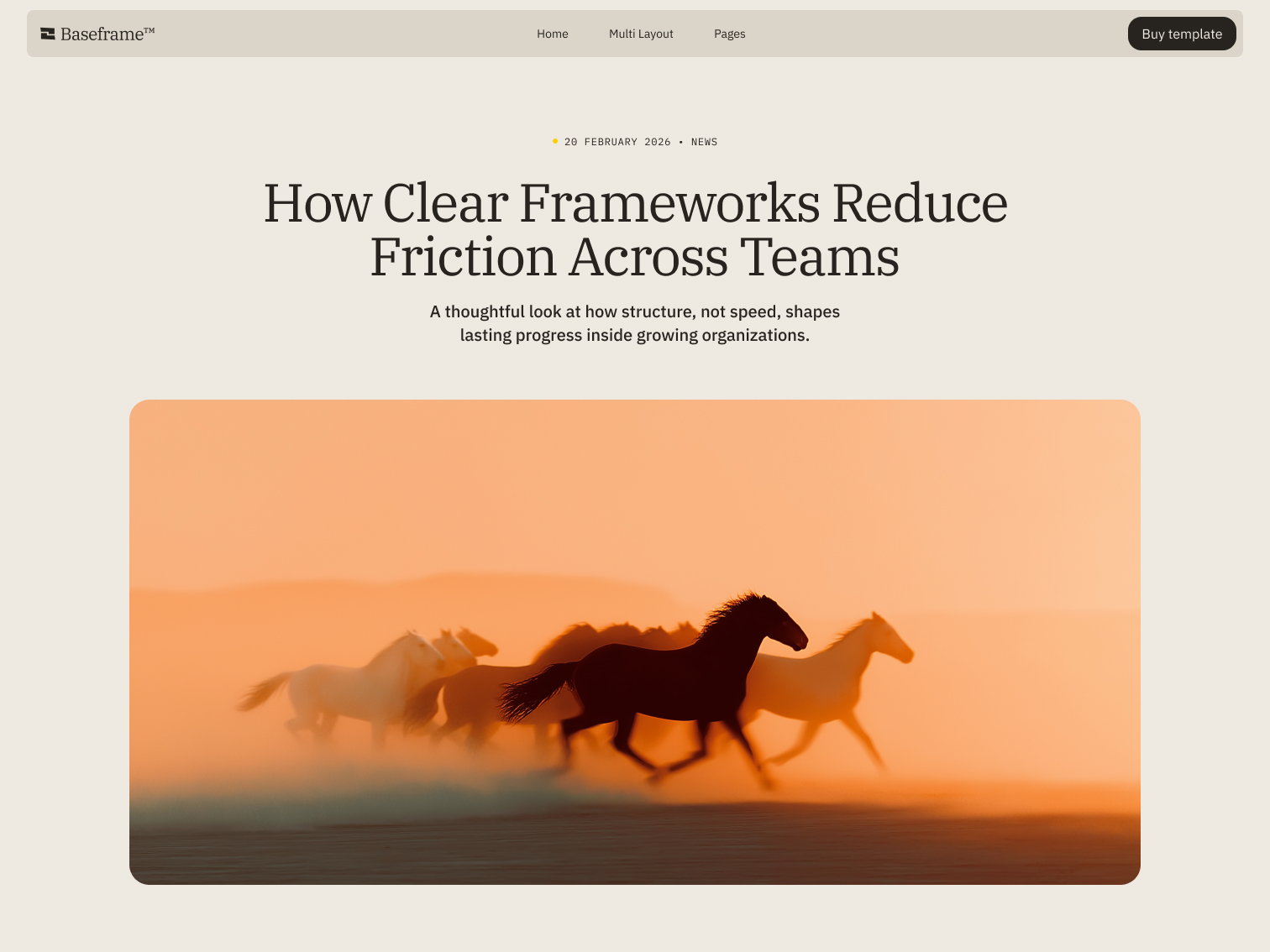



How Clear Frameworks Reduce Friction Across Teams
Connection as strategy: how the Feminine Lover archetype turns beauty and intimacy into brand decisions.

The Feminine Lover Archetype is devotion wrapped in grace. It's the magnetic pull toward beauty, intimacy, and emotional connection. In branding terms, this archetype doesn't chase attention. It creates attraction through presence.
This is the difference that matters for business owners and marketers: the Feminine Lover isn't “romantic” as a surface aesthetic. She's relational as a strategy.
She understands that people rarely commit to what they only understand logically. They commit to what feels resonant. What feels considered. What feels like it was made with a human in mind.
In a market full of loud brands trying to be chosen, the Feminine Lover makes people feel chosen.
Where This Archetype Comes From
Archetypes are recurring patterns in human behaviour and storytelling. Carl Jung's work on archetypes influenced how many modern creators talk about universal motivations like belonging, desire, meaning, and identity.
The Lover archetype is often associated with intimacy, beauty, and lived experience, not as indulgence for its own sake, but as a way of being fully present with life, with people, with craft.
You can see this pattern echoed across other symbolic frameworks:
Mythology: Venus and Aphrodite represent attraction, beauty, and the power of enchantment
Astrology: Libra is commonly associated with harmony, relationships, and aesthetics, with Venus as its ruling planet in traditional astrology
Tarot: The Lovers card is frequently interpreted as union, values alignment, and conscious choice, which reframes “love” as decision, not just feeling
If you're building a brand, this is a useful lens: the Feminine Lover isn't simply about being appealing. She's about being aligned.
The Feminine Lover in Culture: Three Different Faces
The Feminine Lover shows up in history and pop culture in more than one form, which keeps the archetype from becoming one-note.
Cleopatra: Desire as Influence
Cleopatra is often remembered through a romanticised lens, but the more interesting interpretation is power through perception. The Feminine Lover understands that attraction isn't weakness. It's leverage, especially when paired with intelligence and discernment.
Brand translation: sensuality with strategy. Beauty that is intentional. A presence that leads.
Marilyn Monroe: Allure with Softness
Marilyn became an icon partly because she could hold two truths at once: glamour and vulnerability. This is a key Feminine Lover trait. She invites connection by being emotionally legible, not emotionally chaotic.
Brand translation: warmth, approachability, tenderness, and polish in the same system.
Adele: Emotional Truth as Craft
Adele's work shows devotion to feeling, but with structure and mastery. The Feminine Lover doesn't just express. She shapes emotion into something people can hold.
Brand translation: storytelling that feels personal while still being professional, refined, and repeatable.
Sensory Mapping: How This Archetype Feels Before It Sells
The Feminine Lover is one of the most sensory archetypes in this series. If your brand leans here, your design system shouldn't only look good. It should feel good. Here's a practical sensory map to use as a creative direction tool.
Sight
· Flowing shapes and gentle movement in composition
· Candlelit warmth, golden tones, soft contrast
· Harmonious spacing and intentional detail
Sound
· Soft ballads, slower pacing, breath in the voice
· Texture sounds: rustling fabric, pouring water, quiet footsteps
Touch
· Cashmere, silk, delicate lace
· Smooth ceramics, polished stone, brushed metal
Smell
· Gardenia, amber, rose, fresh rain on stone
· Anything that signals intimacy, not intensity
Emotional Result
· Cherished, desired, safe, at ease, understood
If you're reading that list and thinking, “that's exactly the experience we want people to have,” you're likely in Feminine Lover territory.
What This Looks Like in Branding and Visual Identity
Here's where the archetype becomes genuinely useful for business. A brand archetype isn't a mood board. It's a decision-making filter.
1. Positioning: Connection Is the Value
Feminine Lover brands tend to win when their value proposition includes proximity, care, or elevated attention. Not “we sell X.” More like: “we understand you, we see you, and we made this for you.” This shows up often in beauty, wellness, hospitality, fragrance, fashion, intimate consumer goods, and premium services.
2. Voice and Messaging: Invitation Over Persuasion
A Feminine Lover brand voice is rarely aggressive. It's descriptive, intimate, poetic but clear, emotionally intelligent. It avoids hard pressure because pressure breaks the spell. A simple test: if your copy sounds like it's chasing the reader, it's probably not Lover-led.
3. Design System: Beauty With Restraint
This archetype is often mis-executed as “feminine aesthetics” without substance. The better approach is beauty built on consistency: a controlled palette with warm neutrals or romantic tones, typography that feels elegant but readable, imagery with closeness, texture, and real light, and a layout system that prioritizes breathing room. The key isn't decoration. The key is consideration.
4. Brand Behaviour: Love Requires Boundaries
This is the most overlooked part. The Lovers tarot meaning often includes values alignment and choice. In brand terms, that translates to boundaries. A Feminine Lover brand isn't for everyone. It's for the right ones. The more you try to appeal to all, the less intimate your brand feels.
Brand Examples: Three Ways the Lover Shows Up
Chanel No. 5 (desire as timelessness): often cited as an enduring symbol of elegance and sensuality, with a long cultural legacy dating back to its early twentieth-century launch. Its brand world is less about trends and more about myth, memory, and the idea of being unforgettable. Lover lesson: build an atmosphere people want to stay in.
Jo Malone London (ritual and sensory storytelling): a quieter Lover, leaning into personal ritual, layering, and gifting as emotional language. Lover lesson: intimacy scales when you design repeatable rituals.
Fleur du Mal (provocative, still refined): the Lover with sharper edges, proof the archetype doesn't have to be soft. It can be bold, as long as it stays intentional and tasteful. Lover lesson: desire can be confident without becoming chaotic.
Common Pitfalls When Brands Try to Use the Feminine Lover
Pitfall 1: Mistaking “pretty” for “connected”
Beauty without emotional clarity reads as styling. People might like it, but they don't trust it.
Pitfall 2: Over-romanticising and Losing Readability
If the typography, copy, or layout becomes too ornate, you lose the thing the Lover values most: understanding.
Pitfall 3: No Boundaries
If everything is for everyone, the brand feels generic. The Lover needs specificity to create intimacy.
A Quick Self-Assessment: Is Your Brand a Feminine Lover?
If you answer yes to most of these, it's worth exploring:
· People compliment your brand's “feel” more than your features
· Your best clients value service, detail, and emotional intelligence
· Your work is about experience, not just outcome
· You want your brand to feel warm, elevated, and human
· You'd rather be beloved by the right audience than tolerated by the masses
A Simple Next Step
If you want to test this archetype in your brand without doing a full rebrand, try this:
1. Choose three sensory words you want people to associate with you (example: warm, intimate, luminous)
2. Audit your last five brand touchpoints: homepage, deck, Instagram grid, proposal, packaging
3. For each, ask: does this feel like those words in practice, or only in intention?
4. Adjust one element only: colour temperature, typography hierarchy, or image style
5. Reassess the emotional result
Small shifts done consistently can create a noticeable change in brand perception.
Does your brand speak the language of beauty and connection? If you're exploring a brand refresh, it can help to identify your primary archetype, and the one you're unconsciously performing right now.
Get in touch and let's find out which one is yours.