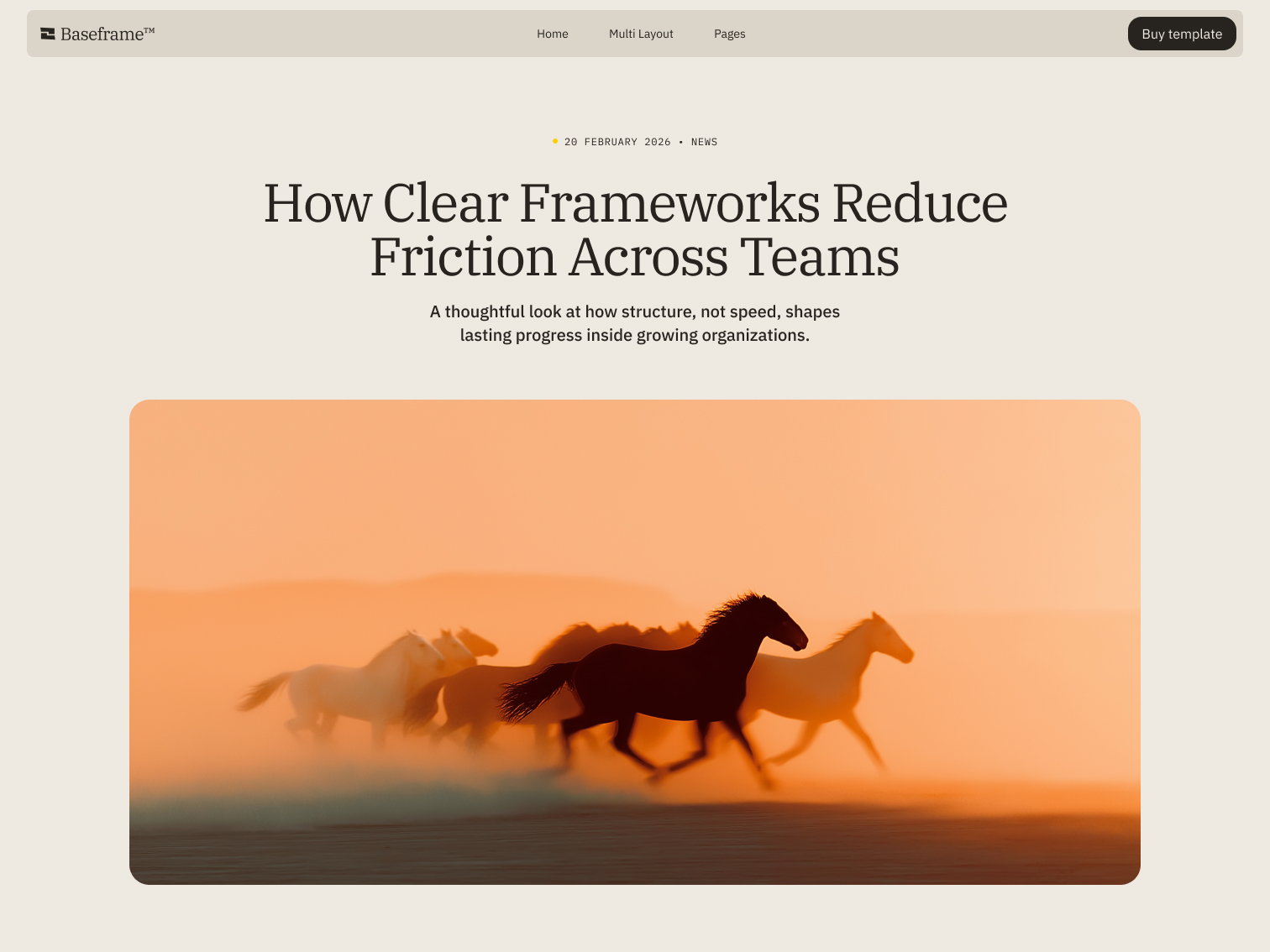




How Clear Frameworks Reduce Friction Across Teams
Disruption as grace: how the Feminine Rebel archetype turns defiance into brand trust.

The Feminine Rebel Archetype is defiance with refinement. She's the founder who notices the quiet absurdity in “how it's always been done” and changes it without asking permission. Not for the thrill of chaos, but for the truth underneath.
Where the masculine Rebel might storm the gates, the feminine Rebel reprograms the system from inside the building. She doesn't need to dominate the room. She changes the room's temperature.
In branding, this archetype is powerful for businesses that are challenging norms in their industry while still caring deeply about aesthetics, experience, and emotional intelligence.
What the Feminine Rebel Is Really Protecting
At her best, the Feminine Rebel isn't “anti.” She's pro-something:
Pro autonomy: “People deserve choices that respect them.”
Pro honesty: “Say what we mean. Build what we promise.”
Pro evolution: “Better can be real, accessible, and beautifully designed.”
This is why the Feminine Rebel often resonates with Aquarius energy: innovative, future-minded, a little contrarian, and rarely impressed by tradition for tradition's sake.
Origins and Frameworks: Outlaw Energy, Star-Level Hope
In Jungian-inspired brand frameworks, this archetype often maps to the Outlaw (Rebel): an identity that rejects the status quo and invites people into a more liberated way of being.
In tarot symbolism, the Feminine Rebel carries two key cards:
The Tower: disruption, revelation, the moment a brittle structure collapses so something truer can be built.
The Star: hope, renewal, faith in what comes after the storm. This is the part many brands forget, and it's what makes the Feminine Rebel magnetic instead of exhausting.
The Feminine Rebel doesn't want destruction as an aesthetic. She wants release, then repair.
The Difference Between “Edgy” and “Elegant Disruption”
A lot of brands try to look rebellious by borrowing surface cues: harsh typography, aggressive copy, shock-value visuals. The Feminine Rebel does something more difficult and more effective. She creates contrast: softness that isn't submissive, beauty that isn't performative, boldness that isn't chaotic, confidence that doesn't need to explain itself.
If your brand has ever felt like “we're doing something different, but we don't want to feel juvenile or hostile,” this archetype is worth exploring.
Cultural Mirrors: Rebellion as Art, Taste, and Identity
Frida Kahlo (identity made visible): made identity, pain, and politics visible through an unmistakable aesthetic language. Her work turned personal truth into cultural permanence.
Diana Vreeland (imagination as authority): rewired fashion editorial rules by making imagination feel authoritative, not frivolous.
Rihanna (inclusion as disruption): built modern disruption through beauty, style, and business choices that widened who gets to feel seen and included, with the Savage X Fenty launch a clear example of inclusive disruption in a traditionally narrow category.
Sensory and Aesthetic Mapping for Brand Design
If the Feminine Rebel were a room, she'd feel like a gallery with the lights turned low on purpose.
Sight
Tailoring paired with something unexpected, minimal layouts with one “rule break” (scale, asymmetry, negative space), contrast: silk with leather, matte with shine
Sound
A low, hypnotic bassline, the click of heels on concrete, a calm voice saying something that cannot be unheard
Touch
Satin over structure, crisp paper stock, hardware details you can feel with your fingertips
Smell
Tobacco flower, incense, rain on warm pavement, a hint of something resinous, like myrrh
Feeling
Magnetic, challenging in a clean way, liberating, like exhaling after holding your breath
Brand Applications
Savage X Fenty (inclusive, confident disruption): high-impact disruption in lingerie, with bold visual storytelling and a “you belong here” tone.
Vivienne Westwood (punk refined into craft): punk roots refined into a distinctive design language that still honours craft and fashion history.
Maison Margiela (disruption through restraint): conceptual disruption through deconstruction, anonymity, and ideas-first design. It breaks rules quietly, and that restraint is part of the power.
The Shadow Side (and How to Design Around It)
Every archetype has a shadow. For the Feminine Rebel, it often looks like:
Performative disruption: changing things for attention, not truth
Alienation: being so “different” that people can't find themselves in the brand
Emotional coldness: confusing detachment with strength
Antidote: pair The Tower with The Star. Let the brand challenge, but also reassure. Let it provoke, but also invite. A practical check: if someone disagrees with your point of view, do they still feel respected by your brand?
How to Embody the Feminine Rebel in Brand Identity
1. Visual Identity
Choose a restrained base system (type, grid, spacing), then introduce one signature disruption (contrast, scale, unexpected colour, material texture). Make the “rule break” repeatable so it becomes a recognisable code, not a one-off gimmick.
2. Brand Voice
Clean, confident sentences. Less explaining. More clarity. A tone that feels like: “I'm not here to convince you. I'm here to offer something better.”
3. Brand Experience
Create moments of surprise that feel thoughtful, not chaotic. Make inclusivity visible in choices, not slogans.
If your brand is built to challenge a tired norm, but you want to do it with taste, clarity, and integrity, the Feminine Rebel Archetype may be your strongest foundation.
Get in touch and share what your business is challenging right now. We'll tell you which archetype direction it sounds closest to.