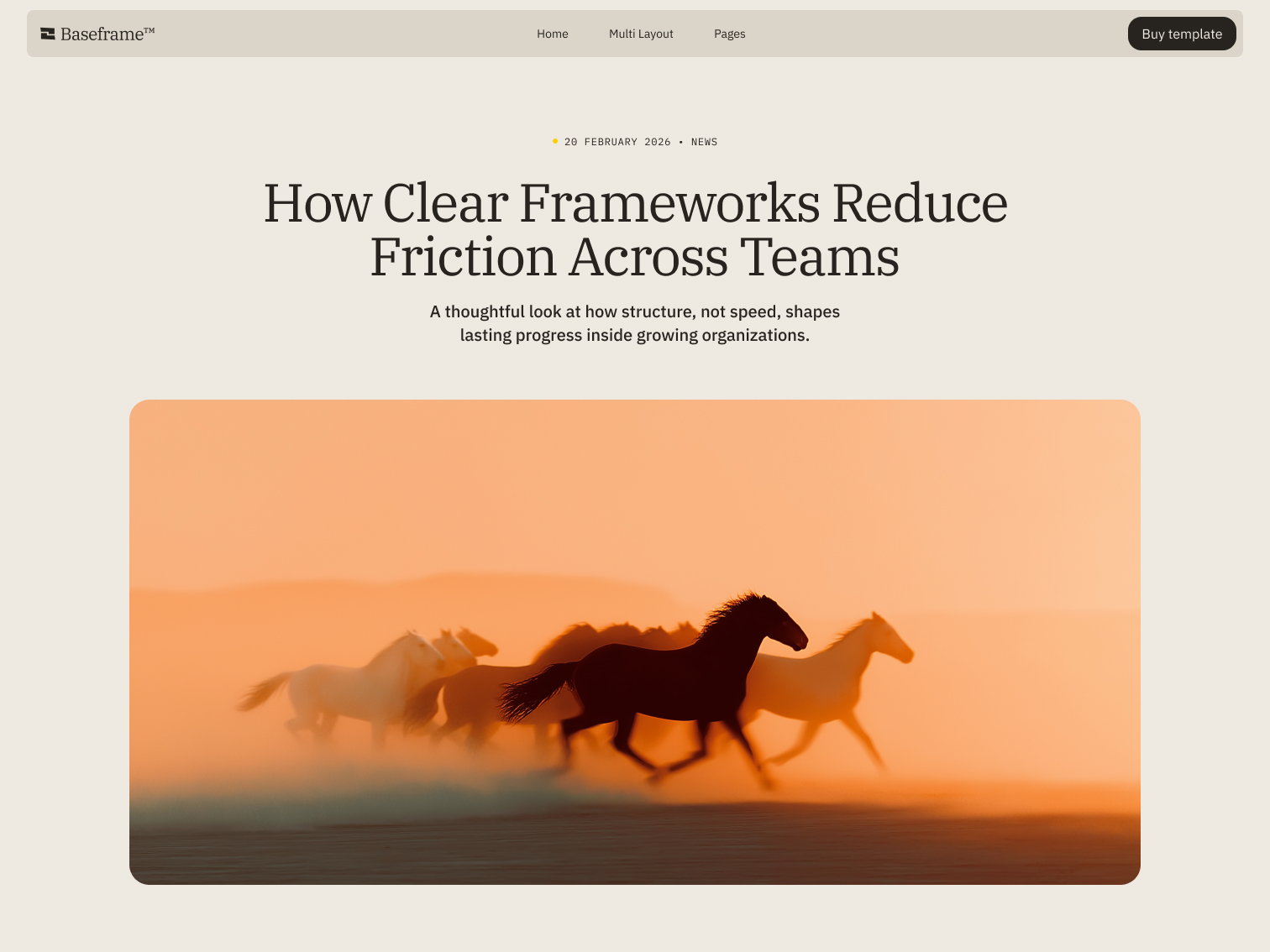



How Clear Frameworks Reduce Friction Across Teams
Pursuit as devotion: how the Masculine Lover archetype turns restraint and craft into brand decisions.

The Masculine Lover Archetype is often misunderstood as seduction for seduction's sake. In reality, his deepest instinct is pursuit with purpose. He moves toward what he values: connection, beauty, pleasure, craft, intimacy, excellence. He notices. He chooses. He commits.
If the feminine Lover invites and magnetises, the masculine Lover initiates. He sets the tone, creates the moment, and makes the other person feel intentionally selected.
In branding, that can translate into worlds that feel:
Deliberate, sensorial, and cinematic
Confident without being loud
Intimate without being exclusive for the wrong reasons
Luxurious because of care, not price tags
This archetype is especially compelling for brands that want to build loyalty through emotion, not just logic, and create a customer experience that feels like a relationship, not a transaction.
Origins and Meaning: Eros, Choice, and Integrity
Eros as the Engine of Pursuit
In classical philosophy, eros is often described as a reaching or yearning toward something perceived as good, something not yet fully possessed. That idea fits the masculine Lover perfectly. He's animated by longing, aspiration, and the desire to unite with what feels meaningful.
In Jungian-informed archetypal language, the Lover is the part of us that wants to connect and experience life through feeling and relationship, not only through achievement or status.
The Lovers Tarot: Not Just Love, But Alignment
In tarot, The Lovers is frequently interpreted as a card of union, yes, but also of choice and values alignment. For branding, that's useful: the masculine Lover isn't just attraction. He's decision. A brand with this archetype works when it clearly knows what it stands for, who it's for, and what kind of relationship it wants with its audience.
Libra, Venus, and the Art of Balance
Libra is often linked to beauty, harmony, and relationship dynamics, symbolised by the scales, and many modern astrology references describe it as ruled by Venus, the planet associated with beauty, romance, and aesthetics. Whether you read astrology literally or metaphorically, Libra gives us a clean brand lesson: attraction works best when it's balanced by respect, taste, and fairness.
Masculine Lover Traits in Business and Branding
A Masculine Lover brand tends to feel:
Intentional: nothing is random, everything is placed
Sensory: colour, texture, lighting, sound, pacing
Confident: it doesn't chase attention, it draws it
Present: it creates focus and intimacy in a distracted world
Romantic about craft: details matter, materials matter, language matters
But there's a shadow side too, which is where many brands stumble.
Shadow expressions to watch for:
· Seduction without substance
· Aesthetics without ethics
· Intimacy that becomes manipulation
· “Premium” that's really just exclusivity and ego
· All heat, no clarity
If the brand feels like a flirt who never calls back, trust erodes fast.
Cultural Expressions: Three Masculine Lover Faces
These examples aren't templates. They're mirrors. Each shows a different dimension of pursuit, presence, and intimacy.
Casanova (the power of attention and conversation): remembered as a lover, but historical accounts also frame him as a restless adventurer, moving through Europe and engaging people with charm and intelligence. Attention is an experience, a Masculine Lover brand makes people feel seen through language, service, and detail.
Pablo Neruda (sensuality as emotional storytelling): his love poetry is often described as tender, melancholy, and sensuous. Seduction isn't only visual, it's narrative: the Lover creates longing through words, pacing, and restraint.
Yves Saint Laurent (intimacy through design language): his legacy includes iconic tailoring and the refinement of codes that made clothing feel like identity, including the house's own historical notes on the significance of his 1966 tuxedo introduction. The Lover's pursuit can show up as precision, not excess. Clean lines can still be deeply sensual.
What It Looks, Sounds, and Feels Like
Sight: sharp tailoring, strong silhouettes, deep neutrals, oxblood, warm amber, smoky shadows, low-lit spaces, cinematic contrast, editorial typography
Touch: polished wood, smooth leather, cool metal, heavy paper stock, embossed details, fabric with drape and weight
Sound: jazz saxophone, slow percussion, vinyl texture, the hush of a room before the first word, the pop of a champagne cork
Smell: sandalwood, tobacco leaf, aged wine, amber, warm spice, skin-like musk
Feeling: chosen, intoxicated but safe, held by standards, invited into a world with taste
Brand Applications: What This Archetype Teaches
Three modern brand lanes that often align with the Masculine Lover, each in a different register:
Tom Ford (seductive minimalism and controlled power): frequently discussed as a “sexy” designer with an aesthetic built on tension, restraint plus heat. Less can be more, when the details do the seducing.
Moët & Chandon (celebration and ritual): positions itself around celebration and heritage, with LVMH noting the maison's founding in 1743 and its long winemaking tradition. The Lover builds attachment through ritual: toasts, milestones, moments you want to repeat.
Bvlgari (tactile elegance and heritage storytelling): its own brand history frames its origins in Rome in 1884. Desire is often tied to legacy: not old-fashioned, but storied; not noisy, but unmistakable.
How to Build a Masculine Lover Brand Without Becoming a Cliché
1. Define the Relationship You Want With Your Audience
Ask: do we want to feel like a trusted partner, a muse, a host, a guide, a confidant? What does “intimacy” mean in our category, service, language, pacing, care?
2. Choose a “Devotion Proof”
Masculine Lover brands earn trust by showing devotion through something concrete: obsessive craft, exceptional service standards, thoughtful details, a point of view that stays consistent.
3. Build Tension With Restraint
Seduction is rarely about more. It's about what you leave out: whitespace, fewer messages with stronger words, a reduced palette with richer texture, imagery that implies rather than explains.
4. Anchor It in Integrity
The Lover collapses when it feels manipulative. Use The Lovers tarot theme as a brand gut-check: are your choices aligned with your values and your customer's dignity?
Common Pitfalls (and How to Avoid Them)
· “Sexy” visuals, generic voice: build a specific tone and vocabulary, not just a moodboard.
· Premium pricing without premium care: raise the experience standards before you raise the price.
· Intimacy that feels like pressure: make your CTAs invitational, and let the brand breathe.
· Aesthetic overload: reduce elements, increase material realism, texture, light, type quality, photography.
Closing Thought
The Masculine Lover Archetype isn't about being liked by everyone. It's about being chosen by the right people, because the brand feels intentional, emotionally intelligent, and crafted with care.
If your brand is meant to move with passion and purpose, this archetype can be a powerful creative key. The goal isn't to look romantic. The goal is to create a relationship people want to return to.
If you're exploring a rebrand, consider this question: when someone encounters your brand, do they feel informed, or do they feel something?
If you haven't already, it's worth reading the feminine expression of this same archetype. The difference in how each one pursues connection is sharper than you'd expect.
Get in touch and tell us what you sell and how you want customers to feel. We'll suggest the archetypes that fit.