

How Clear Frameworks Reduce Friction Across Teams
Defiance as momentum: how the Masculine Rebel archetype turns conviction into brand trust.

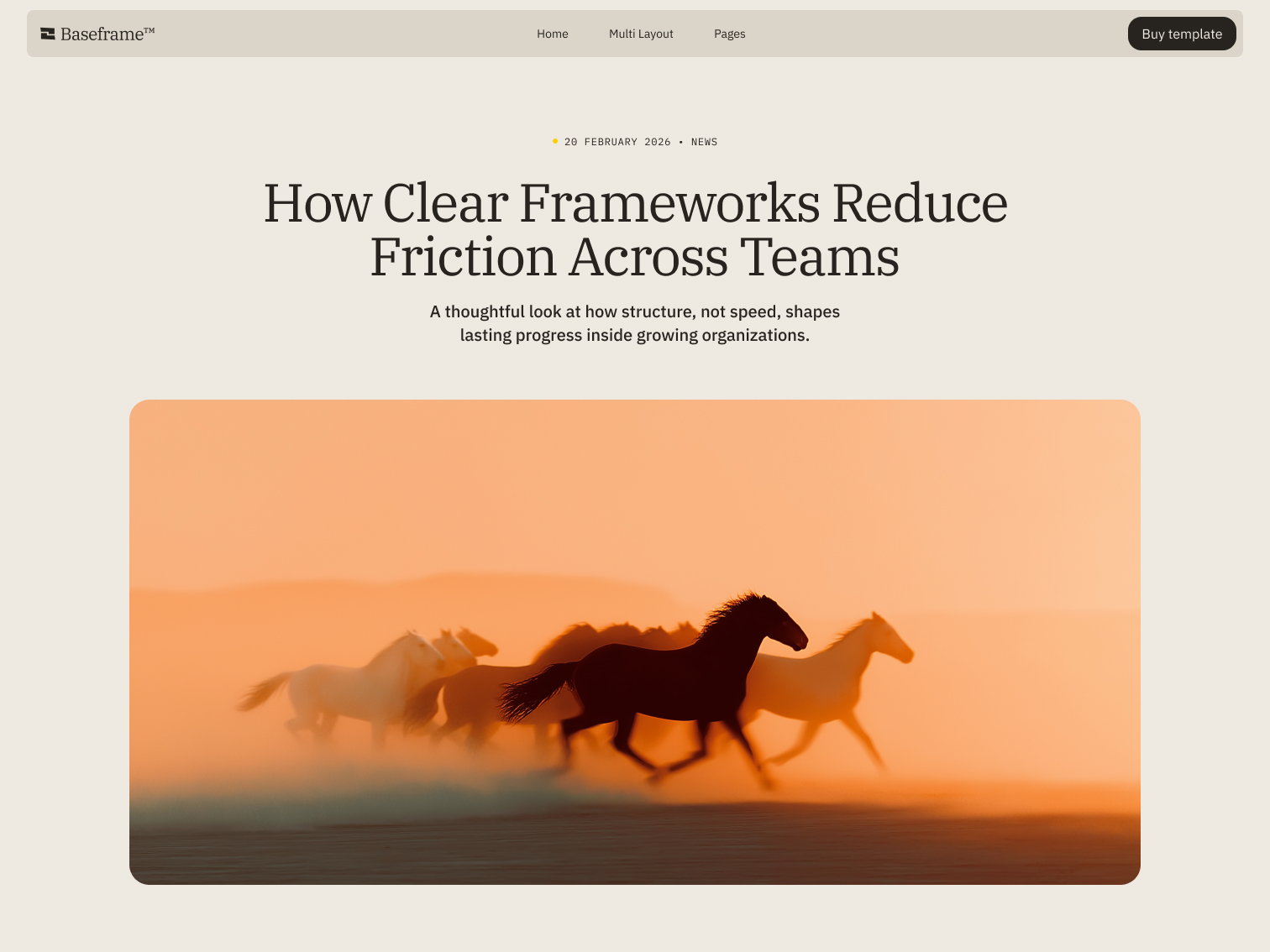
The Masculine Rebel Archetype thrives in motion. He challenges limits, breaks what's hollow, and rebuilds fast. Where the feminine Rebel might disrupt through nuance and precision, the masculine Rebel storms in with presence you can feel.
He isn't rebellious for aesthetics. He's rebellious because he can't tolerate false structures.
In branding, this archetype is for companies willing to take a stand, challenge category norms, and move decisively. When it's done well, the audience feels adrenaline and clarity at the same time.
If your brand exists to change the rules of a stagnant industry, this archetype can be a powerful lens.
Origins and Frameworks: The Tower, Then The Star
The Tower: Disruption as Revelation
The Tower is commonly interpreted as sudden change, upheaval, revelation, and awakening: the moment a brittle structure collapses because it was never stable to begin with. Brand translation: the masculine Rebel makes people see what isn't working, then offers a new way forward.
The Star: Vision After the Shock
The Star is often associated with hope, renewal, faith, and purpose, the counterbalance that keeps rebellion from becoming emptiness. Brand translation: the best Rebels don't only disrupt. They inspire, replacing cynicism with possibility.
Aquarius as a Metaphor for Future Thinking
Aquarius is frequently linked with innovation and an impulse to challenge conventional thinking, a useful metaphor for brands that want to be progressive and culture-shaping rather than comfortable.
Three Cultural Mirrors of the Masculine Rebel
James Dean (rebellion as a posture and a pulse): Britannica describes him as becoming a symbol of the confused, restless, idealistic youth of the 1950s, with enduring impact despite a short film career. The Rebel is rarely loud all the time. Often it's the quiet refusal to conform that becomes iconic.
Banksy (disruption in public view): Britannica describes him as an anonymous graffiti artist known for acerbic and anti-authoritarian art in public places. The Rebel often communicates through bold, immediate symbols, valuing impact over explanation.
Elon Musk (“industry breaker” energy): Britannica's biographical index describes him as a South African-born American entrepreneur who co-founded PayPal and formed SpaceX. The Rebel in business is relentless, moving fast, betting big, and using vision as fuel. You don't need to be polarising to borrow the archetype's brand mechanics: conviction, speed, and a clear point of view.
Sensory and Aesthetic Mapping
Sight
Sharp angles, stark contrast, bold silhouettes, industrial textures, scuffed metal, worn leather, bold typography, high-contrast imagery, hard shadows
Sound
Engine roar, electric guitar feedback, the snap of a shutter, the clang of a gate
Touch
Cold steel, rough concrete, thick denim, heavy hardware
Smell
Motor oil, smoke in the air after rain, cedar and asphalt heat
Feeling
Adrenaline, momentum, zero hesitation
Brand Applications: How to Build Rebel Archetype Branding Without Chaos
1. Positioning: Name the Enemy, Then Name the Alternative
Rebel positioning works when it's precise. You're not “different.” You're different from something specific. Try this structure: the stale norm we reject is ___, the cost of that norm is ___, our alternative is ___, the new possibility is ___. This creates clarity and protects you from performative edginess.
2. Messaging: Fewer Words, More Spine
The Rebel voice is concise and declarative: strong verbs, clean sentences, minimal hedging, confident points of view. A useful test: if someone only reads your headlines, do they understand what you stand for?
3. Visual Identity: Discipline Makes Disruption Feel Premium
The best Rebel brands have structure underneath the attitude: strict grid systems, consistent type hierarchy, a limited palette with one disruptive colour, repeatable visual “rule breaks” (scale, crop, contrast). That repeatability is what turns rebellion into a brand system.
4. Experience: Make the Customer Feel Brave, Not Confused
If you sell liberation, your site and content can't feel like a maze. A Rebel experience still needs clear navigation, decisive CTAs, transparent expectations, confident onboarding. Rebellion isn't the absence of structure. It's a better structure.
Brand References: Three Rebel Lanes
Diesel (provocation as attention mechanics): known for provocative campaigns that tackle cultural topics and spark conversation. The Rebel can use bold creative as a cultural interruption.
Harley-Davidson (identity as lifestyle): often discussed as a brand that successfully linked product ownership with a broader identity and sense of freedom. The Rebel becomes strongest when it's community, not just attitude.
Supreme (scarcity and “drop culture”): reporting on the brand highlights how limited supply and product drops helped create excitement and exclusivity. The Rebel can design demand through restraint and ritual.
Common Pitfalls (and How to Avoid Them)
Shock without substance: make sure your disruption is attached to a real belief and a real alternative.
Anger as a brand personality: pair Tower energy with Star energy. Disrupt, then inspire.
“Anti” messaging that pushes away the right audience: be clear about what you're for, not only what you're against.
Does your brand have the voltage to shatter a stale norm, and the clarity to build something better in its place? If so, the Masculine Rebel Archetype might be the spark. A practical next step is to audit your homepage and ask: are we making a bold promise, or are we hiding behind safe language?
If you haven't already, it's worth reading the feminine expression of this same archetype. The difference in how each one disrupts is sharper than you'd expect.
Get in touch and let's find out if this is your archetype.