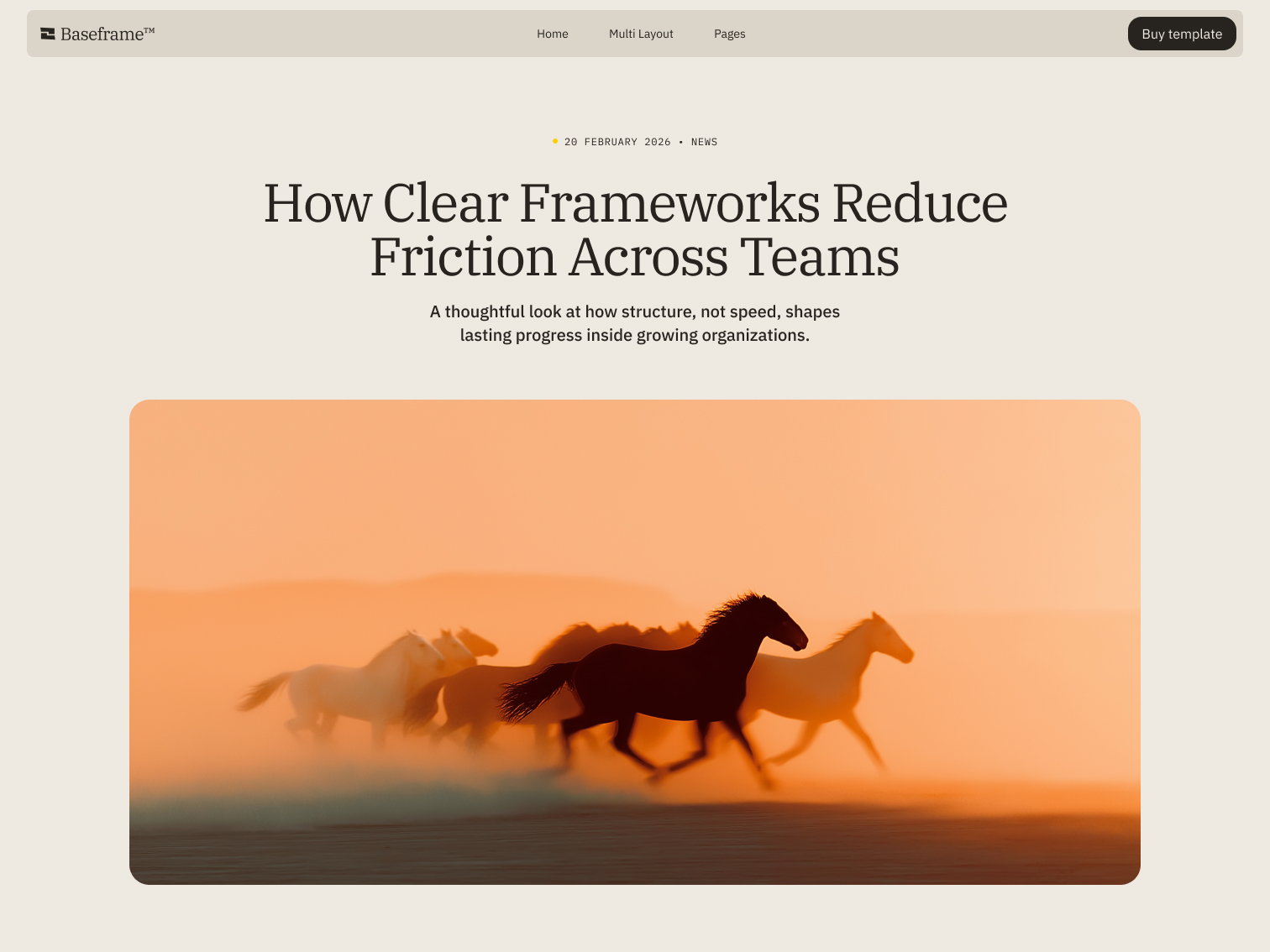


How Clear Frameworks Reduce Friction Across Teams
Protection as promise: how the masculine Caregiver archetype shows up in art, aesthetics, and brand strategy.

The masculine Caregiver isn't softness held back. It's protection expressed through steadiness: showing up consistently rather than dramatically. Where the feminine Caregiver leads with warmth, the masculine expression leads with structure. Same care, delivered through reliability instead of nurture. Here's where it comes from, what it looks and feels like, and which brands are already built on it.
Where the Caregiver Comes From: Myth, Psychology, and a Little Bit of Astrology
Myth carries this instinct through figures like King Arthur, whose leadership was inseparable from his responsibility to protect the people under it. Astrology and tarot chart similar ground. Capricorn, an earth sign tied to duty and tradition, carries the masculine Caregiver's discipline. The Emperor, its tarot counterpart, represents order and authority: protection that comes from structure rather than instinct alone.
None of these systems, psychology, mythology, astrology, exist here for their own sake. They're lenses. A brand that understands which archetype it's built on tells a story people recognize before they can explain why, which is usually the difference between a brand people trust and one they scroll past.
The Masculine Caregiver in Art and History
This version of the Caregiver shows up in people whose strength was inseparable from their responsibility to others. Nelson Mandela spent twenty-seven years in prison and came out leading a national reconciliation process instead of a campaign for retribution. Fred Rogers spent three decades on television treating children's fear and confusion as subjects worth taking seriously, not talking down to. Neither of them protected loudly. The strength was in the consistency.
What It Looks, Feels, and Sounds Like
Sight: strong structured lines, deep greens, browns, navy, nothing decorative that doesn't serve a purpose
Touch: leather, sturdy wood, rough-hewn stone, materials built to hold weight
Sound: a steady voice, a heartbeat's rhythm, wind moving through trees
Smell: leather, fresh earth, pine, cedar
Feeling: grounded, the specific safety of knowing someone reliable is paying attention
Brands Already Building on This Archetype
Patagonia (protection extended to the planet): Patagonia treats environmental responsibility as a duty rather than a marketing angle, tying business decisions, including giving away the company itself, to the long-term protection of the land it depends on.
L.L.Bean (built to be counted on): L.L.Bean's entire reputation rests on gear that holds up decades into ownership. The brand's lifetime guarantee isn't a slogan. It's the actual promise being sold.
Bumble (boundaries built into the product): Bumble designed its core mechanic, women messaging first, directly around user safety rather than adding safety features around an existing product.
Where Does Your Brand Fit?
Maybe the Caregiver is your brand's underlying pattern, especially if what you're building runs on reliability, protection, or being the thing people count on when it matters. Maybe it's something else entirely. Either way, naming it is the first step toward building something people recognize without needing to be told what it means.
If you haven't already, it's worth reading the feminine expression of this same archetype. The difference in how each one protects is sharper than you'd expect.
Get in touch and we'll help you figure out which one is yours.