


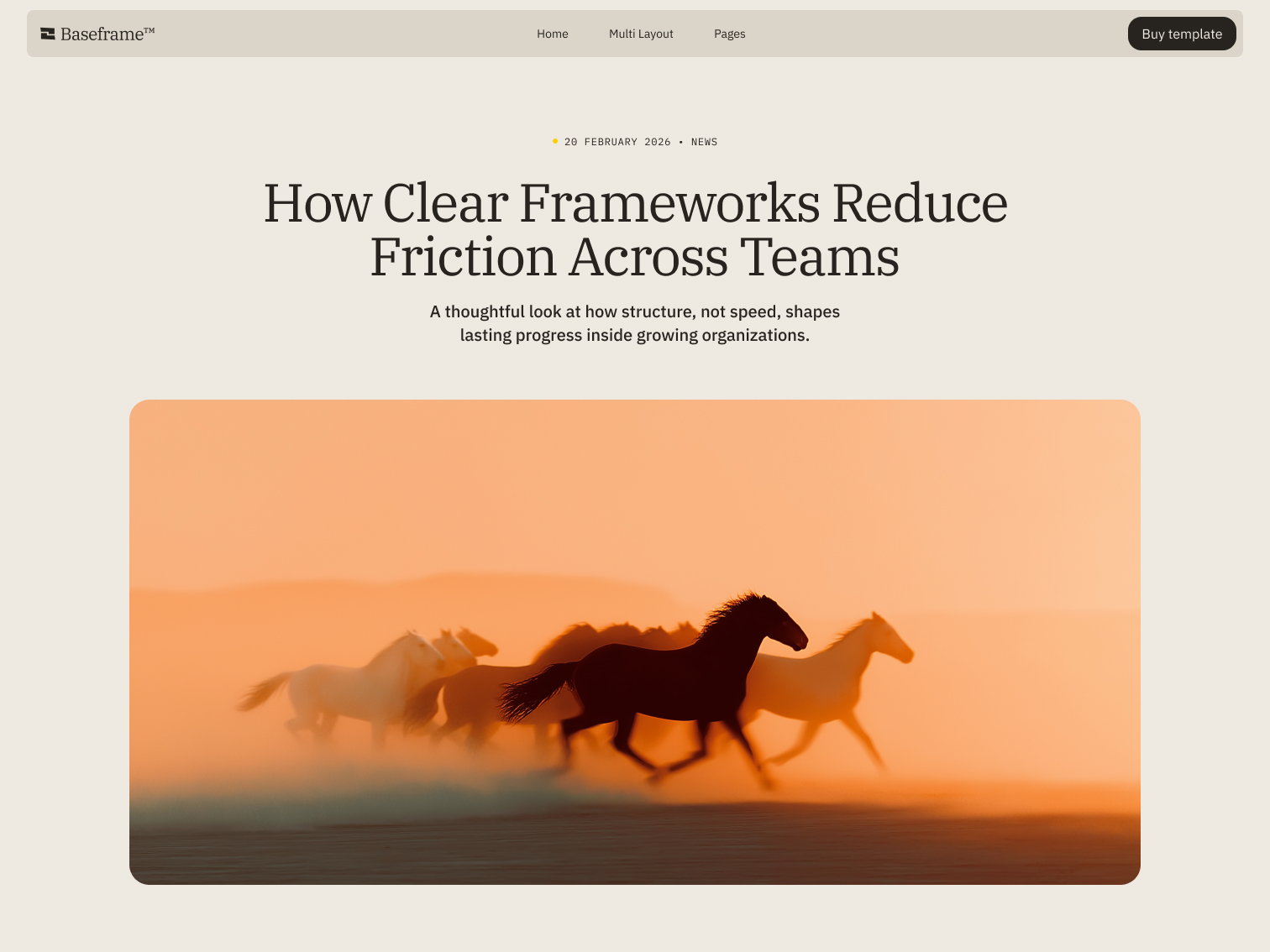




How Clear Frameworks Reduce Friction Across Teams
Creation as ritual: how the feminine Creator archetype shows up in art, aesthetics, and brand strategy.
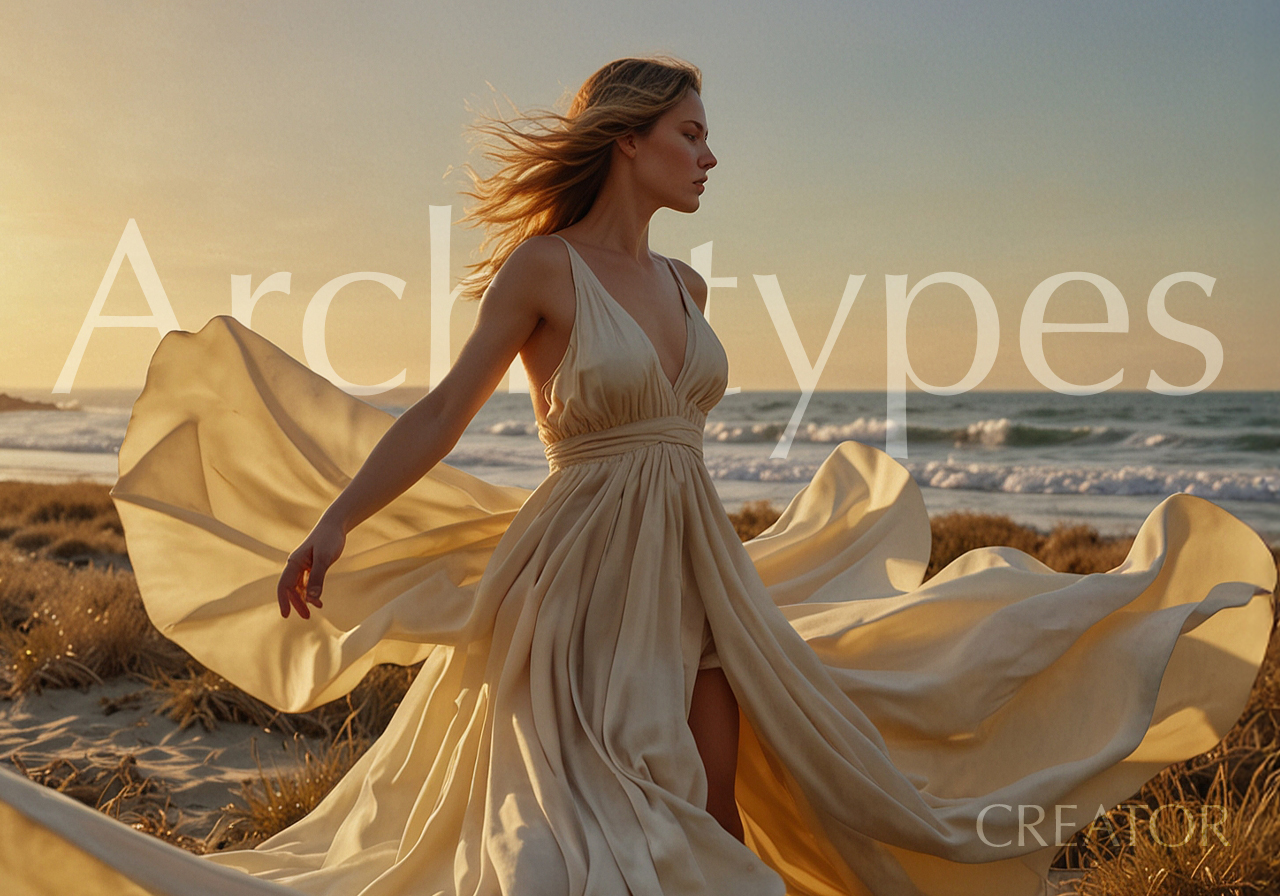
The Creator archetype is the one that builds rather than fights. Where the Hero moves through obstacles, the Creator makes something out of nothing: an idea, a room, a brand, a life. In its feminine expression, that instinct runs less on planning and more on feeling. It's intuitive, responsive, and unwilling to force something into being before it's ready. Here's where it comes from, what it looks and feels like, and which brands are already built on it.
Where the Creator Comes From: Myth, Psychology, and a Little Bit of Astrology
Carl Jung placed the Creator among the archetypes that shape how humans make meaning: the drive to take something formless and give it shape. Myth tells a version of the same story through the Muse, the Weaver, the Earth Mother, figures who don't conquer so much as generate.
Astrology and tarot chart similar ground. Taurus, ruled by Venus, carries the Creator's instinct for beauty and craft. The Empress, its tarot counterpart, represents fertility and abundance: ideas taking root and growing on their own timeline. In its feminine expression, the Creator isn't in a hurry. It shapes the world by shaping what people feel around it, through design, writing, and the quieter details of how something is made.
None of these systems, psychology, mythology, astrology, exist here for their own sake. They're lenses. A brand that understands which archetype it's built on tells a story people recognize before they can explain why, which is usually the difference between a brand people remember and one they scroll past.
The Feminine Creator in Art and History
This version of the Creator has a long visual history. Georgia O'Keeffe found monumental scale in a single flower petal. Yayoi Kusama turned personal experience into immersive rooms people wait hours to stand inside. Berthe Morisot, one of the founding Impressionists, painted domestic life with enough emotional precision that it still reads as intimate more than a century later. None of them built loudly. They built from the inside out.
What It Looks, Feels, and Sounds Like
Sight: pastels, warm neutrals, soft gold, handmade shapes that don't try to be perfect
Touch: linen, clay, silk, watercolour paper, texture that shows the maker's hand
Sound: a pencil moving across paper, a hum, the quiet before an idea finishes forming
Smell: lavender, amber, rose, woodsmoke, something that slows a room down
Feeling: nostalgia, curiosity, the sense of being invited into a process rather than sold a product
Brands Already Building on This Archetype
Aesop (ritual in every detail): Aesop treats packaging and copy like part of the product. The unboxing, the label language, the weight of the bottle in your hand: all of it is designed to slow an everyday routine down into a small ritual.
Adobe Creative Cloud (built for the maker): Adobe positions itself less as software and more as a studio companion. The brand exists to get out of a creative person's way, which is its own kind of craft.
Anthropologie (curated discovery): Anthropologie sells texture and story as much as product. Every display reads like a room someone lived in and loved, not a shelf someone stocked.
Where Does Your Brand Fit?
Maybe the Creator is your brand's underlying pattern, especially if what you're building runs on storytelling, process, or beauty that's meant to be felt rather than just seen. Maybe it's something else entirely. Either way, naming it is the first step toward building something people recognize without needing to be told what it means.
If you haven't already, it's worth reading the masculine expression of this same archetype. The difference in how each one builds is sharper than you'd expect.
Get in touch and we'll help you figure out which one is yours.