


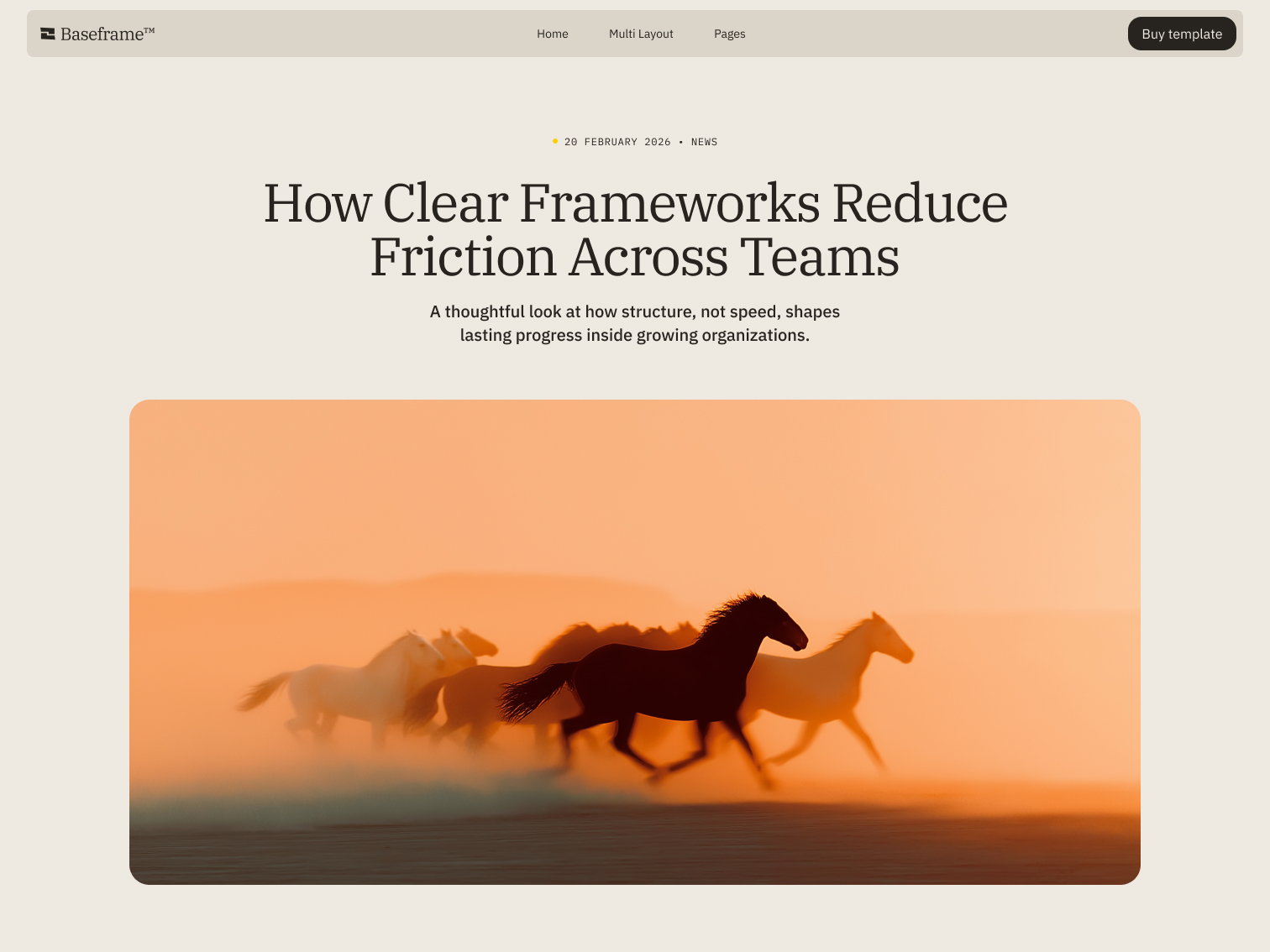



How Clear Frameworks Reduce Friction Across Teams
Clarity as guidance: how the feminine Sage archetype shows up in art, aesthetics, and brand strategy.
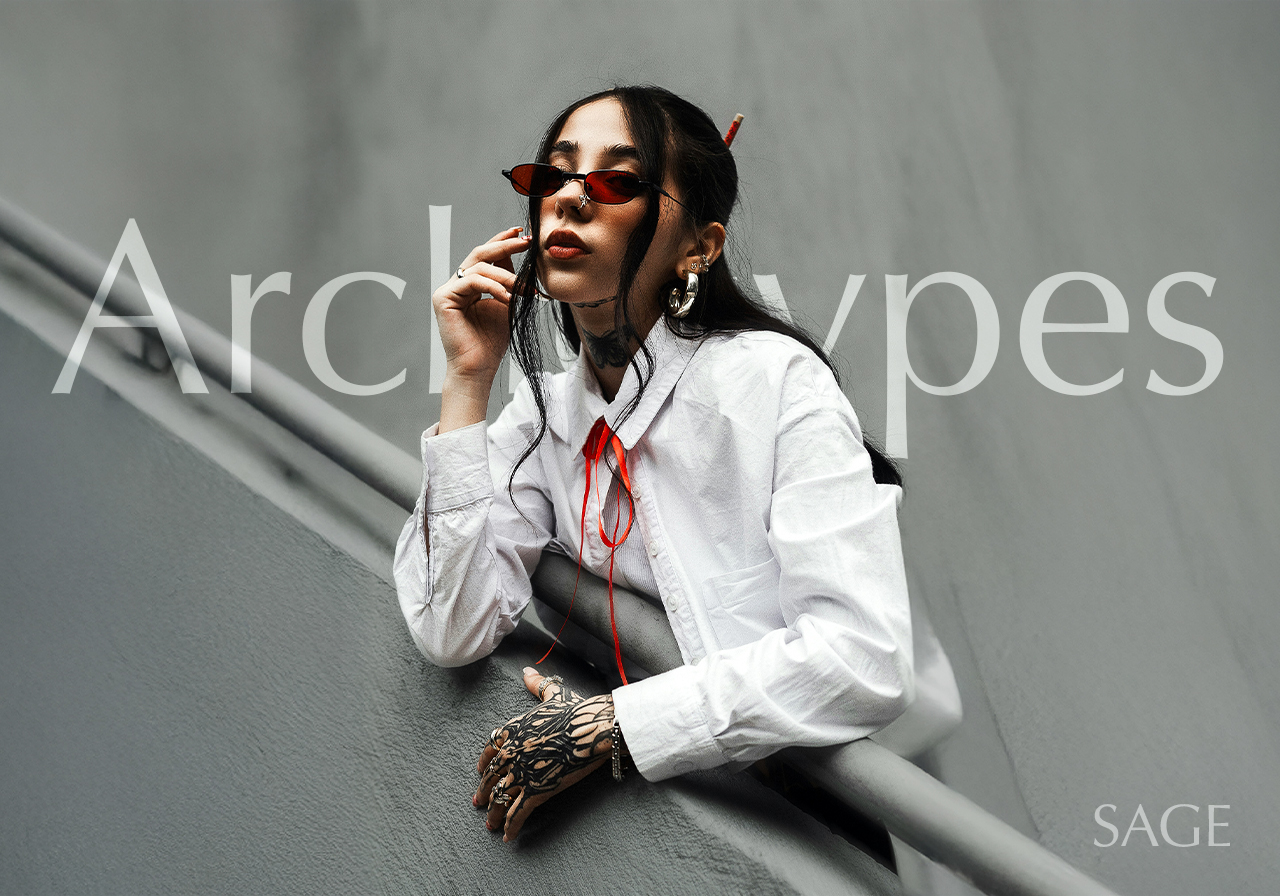
The Sage archetype isn't about knowing everything. It's about seeing clearly enough to help someone else see too. In its feminine expression, that clarity comes wrapped in patience rather than authority for its own sake, guidance offered rather than answers handed down. Here's where it comes from, what it looks and feels like, and which brands are already built on it.
Where the Sage Comes From: Myth, Psychology, and a Little Bit of Astrology
Carl Jung placed the Sage among the archetypes built around the search for truth and clarity. Myth carries the same instinct through figures like the Oracle of Delphi and Athena, women who were sought out specifically because they could see past the surface of a problem to what was actually happening underneath it.
Astrology and tarot chart similar ground. Virgo, ruled by Mercury, carries the Sage's precision and its instinct to verify things rather than assume them. The High Priestess, its tarot counterpart, represents intuition paired with hidden knowledge, insight that isn't loud about itself.
None of these systems, psychology, mythology, astrology, exist here for their own sake. They're lenses. A brand that understands which archetype it's built on tells a story people recognize before they can explain why, which is usually the difference between a brand people trust and one they scroll past.
The Feminine Sage in Art and History
This version of the Sage shows up in women who turned rigor into legacy. Hypatia of Alexandria taught mathematics and philosophy at a level that made her one of the most respected scholars of her era, in a field that offered her little protection for it. Marie Curie's research redefined an entire branch of physics and cost her, quite literally, her health, and she kept working anyway. Maya Angelou turned personal history into language precise enough to become permanent. None of them were sages because they were calm. They were calm because they'd already done the work.
What It Looks, Feels, and Sounds Like
Sight: clean minimalist design, sage green, lavender, muted gold, typography built for clarity over decoration
Touch: marble, parchment, polished wood, texture that suggests something built to last
Sound: the rustle of paper, a quiet voice, the low hum of a room with nothing to prove
Smell: sage, lavender, sandalwood, something that invites stillness
Feeling: clarity, the specific calm of trusting the guidance you're getting
Brands Already Building on This Archetype
The New York Times (context over noise): The New York Times built an entire business on the idea that context is worth paying for. In a media landscape built for speed, the brand's value comes from slowing down enough to get it right.
Brené Brown (research made usable): Brené Brown turned academic research on vulnerability and shame into language people could actually use in their own lives. The insight isn't the product. The translation is.
Calm (stillness as a service): Calm sells clarity of mind as directly as a product can. The entire brand experience is built to slow a person down rather than compete for their attention.
Where Does Your Brand Fit?
Maybe the Sage is your brand's underlying pattern, especially if what you're building runs on research, depth, or being the source people actually trust to get something right. Maybe it's something else entirely. Either way, naming it is the first step toward building something people recognize without needing to be told what it means.
If you haven't already, it's worth reading the masculine expression of this same archetype. The difference in how each one guides is sharper than you'd expect.
Get in touch and we'll help you figure out which one is yours.