







Merged two cloud computing leaders into a single, unified product brand.
Two industry titans needed a single brand powerful enough to honour both names, yet distinct enough to preserve their individual strengths.
A Fortune 500 cloud innovator and a leading enterprise technology partner launched a fully managed, high-performance file storage service, seamlessly woven from both companies' infrastructure, called Arc Network Folio (name replaced for NDA purposes). The product demanded a brand that could stand shoulder to shoulder with its parent companies, while reflecting the ingenuity of its partner, and instantly establish its own identity whenever customers discovered it beyond the familiar walls of either company.
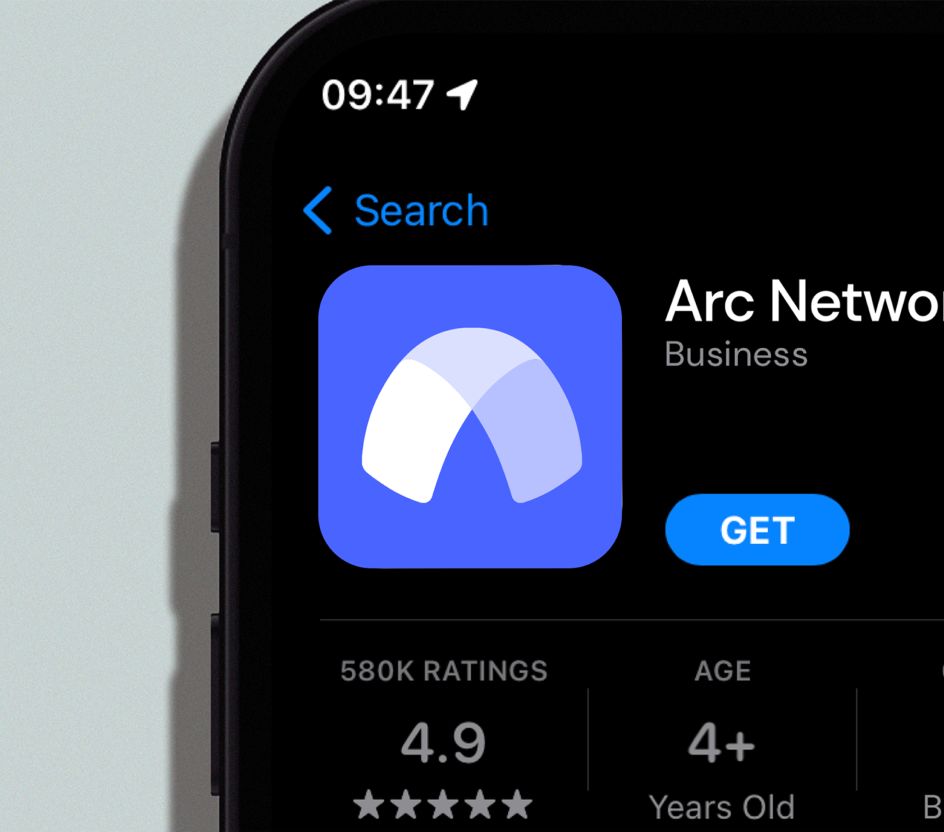


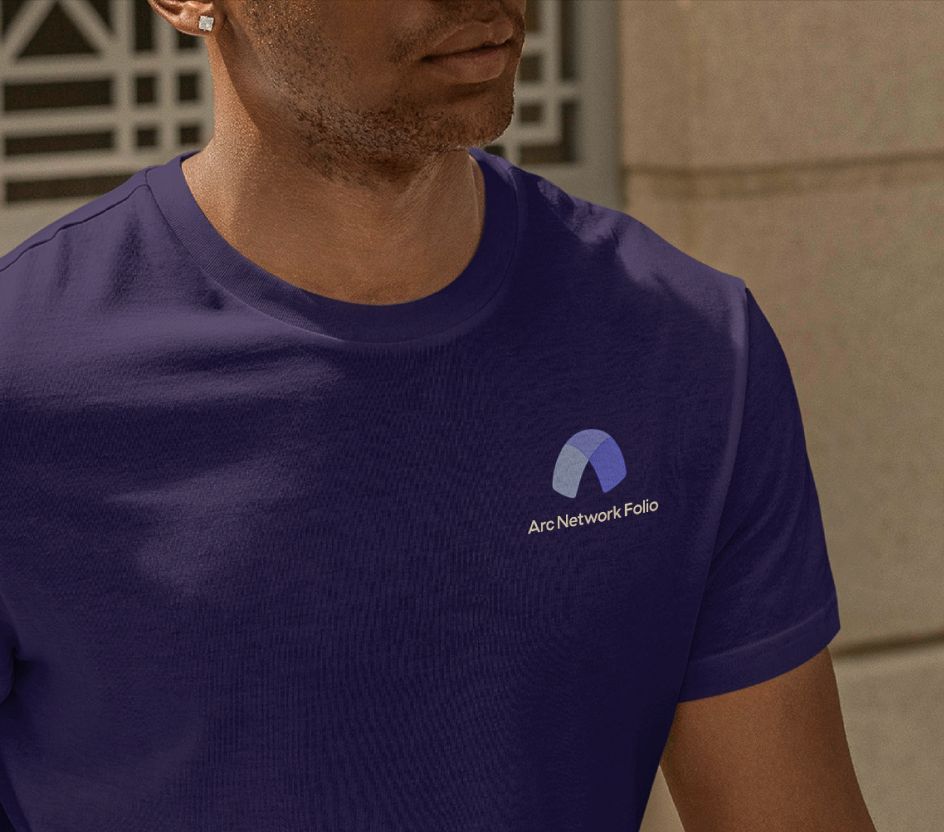
One mark, two stories: a logo crafted to carry the spirit of both brands together.
Instead of merging two separate logo systems, we centred the identity on a single unifying symbol. The mark weaves together a signature from the parent companies tied together by an arc motif that captures the energy of data moving between worlds. This arc became the heartbeat of the entire system, giving the brand a visual signature bold enough to stand alone, yet familiar enough for both companies to see themselves reflected within it.


Proof that two distinct brands can share a product without losing themselves.
The new identity quickly won internal fans for its clarity, flexibility, and unmistakable presence, whether standing alone or paired with either parent brand. But just as the launch neared, one of the partner companies unveiled a sweeping rebrand of its own. Instead of introducing a fresh identity into uncertain territory, the team chose to bring the product back under the Fortune 500 partner's established brand, ensuring long-term stability. The system proved itself; it was the market that shifted, not the design.